Recipe Costing for Edibles and Infused Beverages
Infused product manufacturers effectively run a food-production kitchen layered on top of cannabis compliance requirements, which means recipe costing must separate the cost of cannabis distillate or extract inputs, which fluctuate with cannabis market pricing, from standard food ingredient costs, which fluctuate with general commodity markets. Blending these into a single cost figure obscures which cost driver is actually moving margin.
We build recipe-level costing templates for each product formulation so operations and finance share a common source of truth when pricing new SKUs or evaluating whether a recipe reformulation improves unit economics.
- Cannabinoid input cost tracked separately from food ingredient cost
- Dosing accuracy tied to potency testing outcomes
- Packaging cost per unit for child-resistant compliance
Kitchen Overhead and Production Line Cost Pools
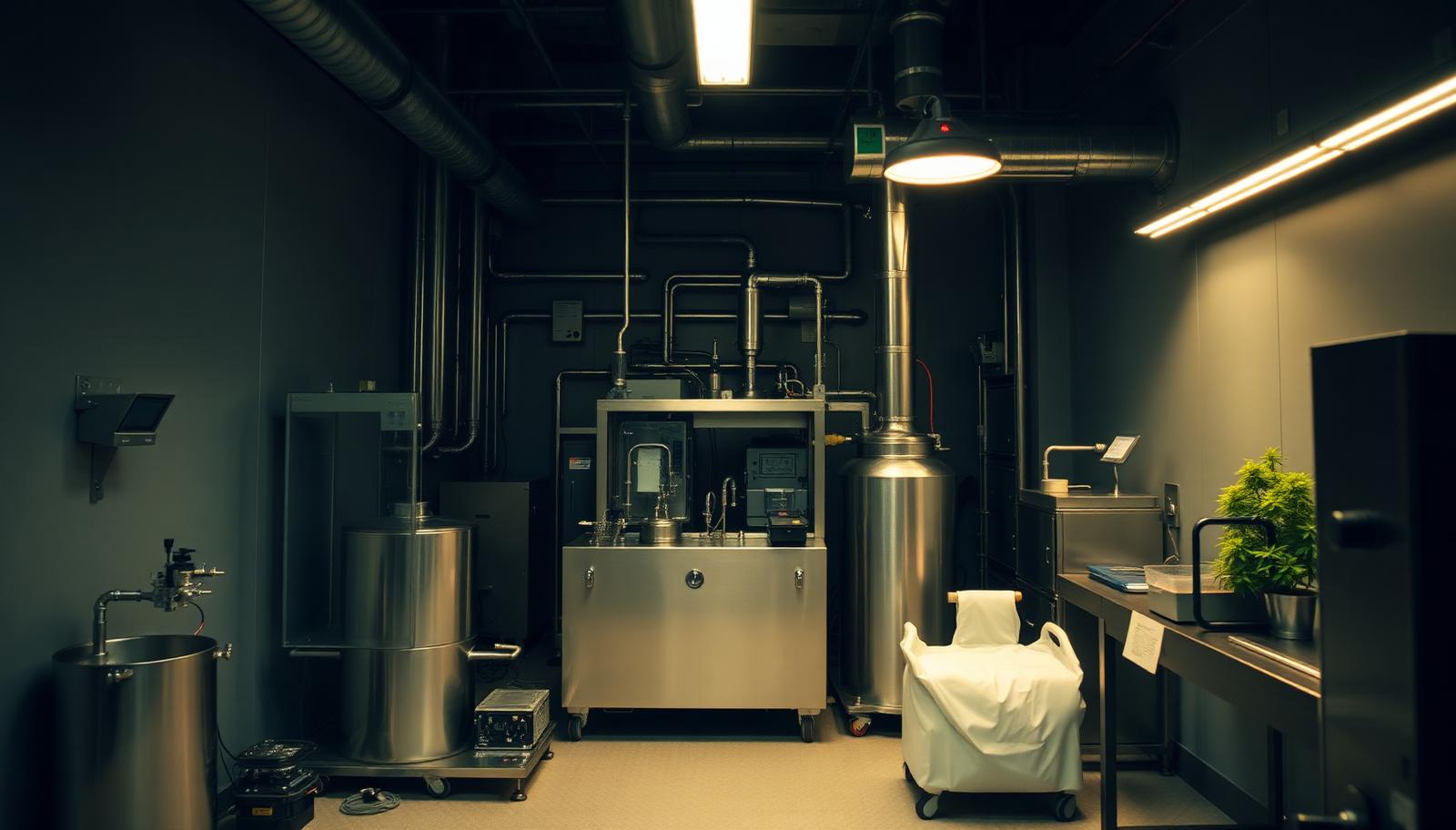
Commercial kitchen space, dosing and mixing equipment, and quality-control staff form an overhead pool that should be allocated across batches on a consistent basis, typically batch count or production hours, so that indirect costs are captured in inventory under Section 263A rather than expensed and lost to Section 280E disallowance.
Spoilage, Packaging Waste and Batch Testing Costs
Perishable ingredients create shelf-life risk that differs fundamentally from theft or diversion, and Nevada's child-resistant packaging and potency labeling rules add meaningful per-unit packaging cost. Every batch also requires third-party lab testing, and a failed batch must be reworked or destroyed under METRC documentation. We track spoilage, packaging and testing costs as distinct categories so true production cost, including the cost of unsuccessful batches, is visible in financial reporting rather than hidden inside a generic cost-of-goods-sold line.